Case Study (Illustrative)
An Illustrative Case: Golfer Slice One Fix Journey, One Fix at a Time
Infographic
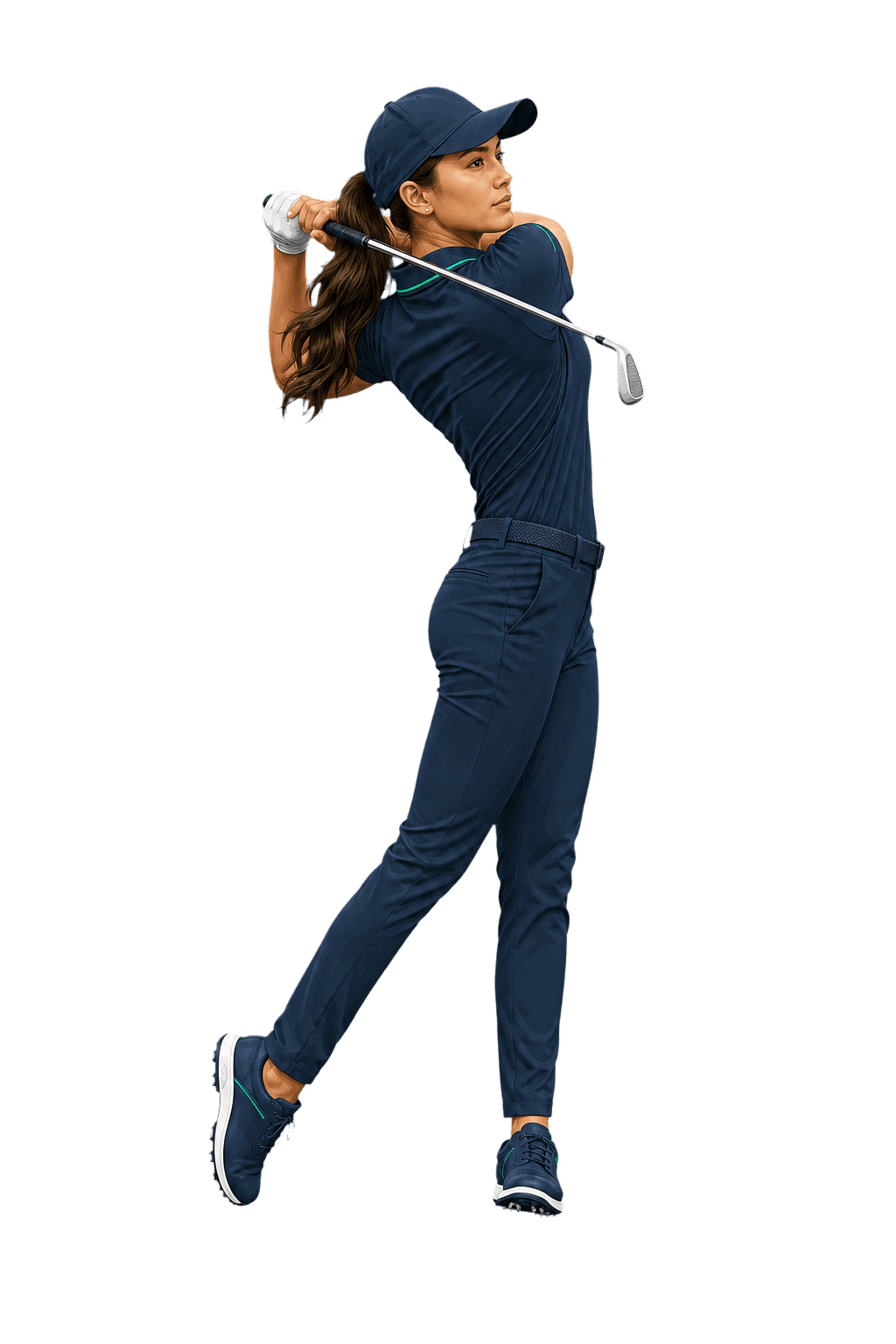
Read the motion
What to notice
Golfer Slice One Fix Journey
How it connects
One Fix at a Time. An illustrative golfer slice one fix journey scenario
What it leads to
start to finish: the diagnosis
Method is easier to copy than advice. Here is the full diagnose-fix-practice-retest loop applied to golfer slice one fix journey, shown as an illustrative scenario you can map onto your own game.
About This Scenario
Stop reading — start diagnosing
See if this is actually your swing — free.
Get your top fix, three drills, and a 7-day plan in about a minute. Free to start.
Honesty first: this is an illustrative scenario, not a real athlete and not real client data. The pattern, the decisions, and the checkpoints are drawn from how this problem commonly presents in golf, but every number and quote you might expect in a case study is deliberately absent, because we will not invent them.
The Starting Point
Picture a recreational golf player whose golfer slice one fix journey shows up on roughly a third of reps, worse under pressure and late in sessions. They have collected plenty of tips, tried most of them for a day or two each, and cannot say which, if any, helped. No baseline, no retest, just accumulating opinions.
The starting point matters because it is the common one. Nothing in this scenario requires talent, equipment, or unusual discipline; it requires only the willingness to stop adding ideas long enough to measure one.
The Diagnosis
The first real step is unglamorous: ten filmed reps from one consistent angle, results noted. The video shows what tips never asked about: the miss clusters in one direction, and the good reps share a setup detail the misses lack. In golf, the ball flight you see is downstream of the clubface and club path at impact, so read those before judging the takeaway or chasing a new tempo. That observation, not a slogan, selects the fix.
The One Fix
One change, chosen because the evidence points at it and it sits earliest in the chain. Everything else on the tip list is explicitly parked, not because those ideas are wrong, but because testing one variable is the only way the retest can mean anything.
Notice what choosing costs in the scenario: nothing except the feeling of leaving ideas unused. That feeling is worth naming, because it is the main reason athletes abandon single-variable work in real life, and it fades the first time a retest gives a clean verdict.
The Practice Block
A week, three short sessions: controlled reps below full speed first, speed added only while the outcome holds, then a transfer session alternating drill reps with normal ones. Nothing exotic; the discipline is in what does not get added.
Midway through the block, the scenario hits the classic wobble: a bad session that makes the old approach look tempting. The plan survives it the boring way, by having criteria written down in advance, so one rough evening reads as variance instead of as a verdict.
The Retest
Same ten reps, same angle, same measure as the baseline. In the scenario the typical rep improves and the miss narrows; in reality your retest might say otherwise, and that would be equally useful information. The retest is the honesty device either way. Be honest about what a phone video can confirm: it is an estimate with limits, not a lab measurement. Build confidence the boring way, with a retest of the same task under the same conditions.
What Generalizes (And What Does Not)
The loop generalizes: baseline, evidence-selected fix, one-variable practice, retest. The specifics do not: your cause, your timeline, and your results belong to your video, not to this scenario. When you want structure instead of guesswork, the golf swing analysis, golf slice fixer path walks the same diagnose, one-fix, retest loop this article describes. If the pattern creates pain, gets worse with practice, or does not respond after a few focused sessions, work with a qualified coach who can see the full movement. A digital guide can help you structure practice, but it should not replace medical advice, safety judgment, or in-person coaching when those are needed.
FAQ
Is this a real athlete?
No. It is a clearly labeled illustrative scenario built from common patterns, used because we will not publish real athlete data without verified results and consent.
Will my golfer slice one fix journey journey look like this?
The structure transfers; the specifics will not. Your causes, timeline, and retest results are your own, which is exactly why the scenario emphasizes the method over the numbers.
Next Step
Run the same loop on your own pattern this week: ten-rep baseline, one evidence-backed fix, three short sessions, and the same retest. One loop, run honestly, beats a month of collected tips.