
How-To
How to Improve Paddle Technique (Step-by-Step)
Infographic
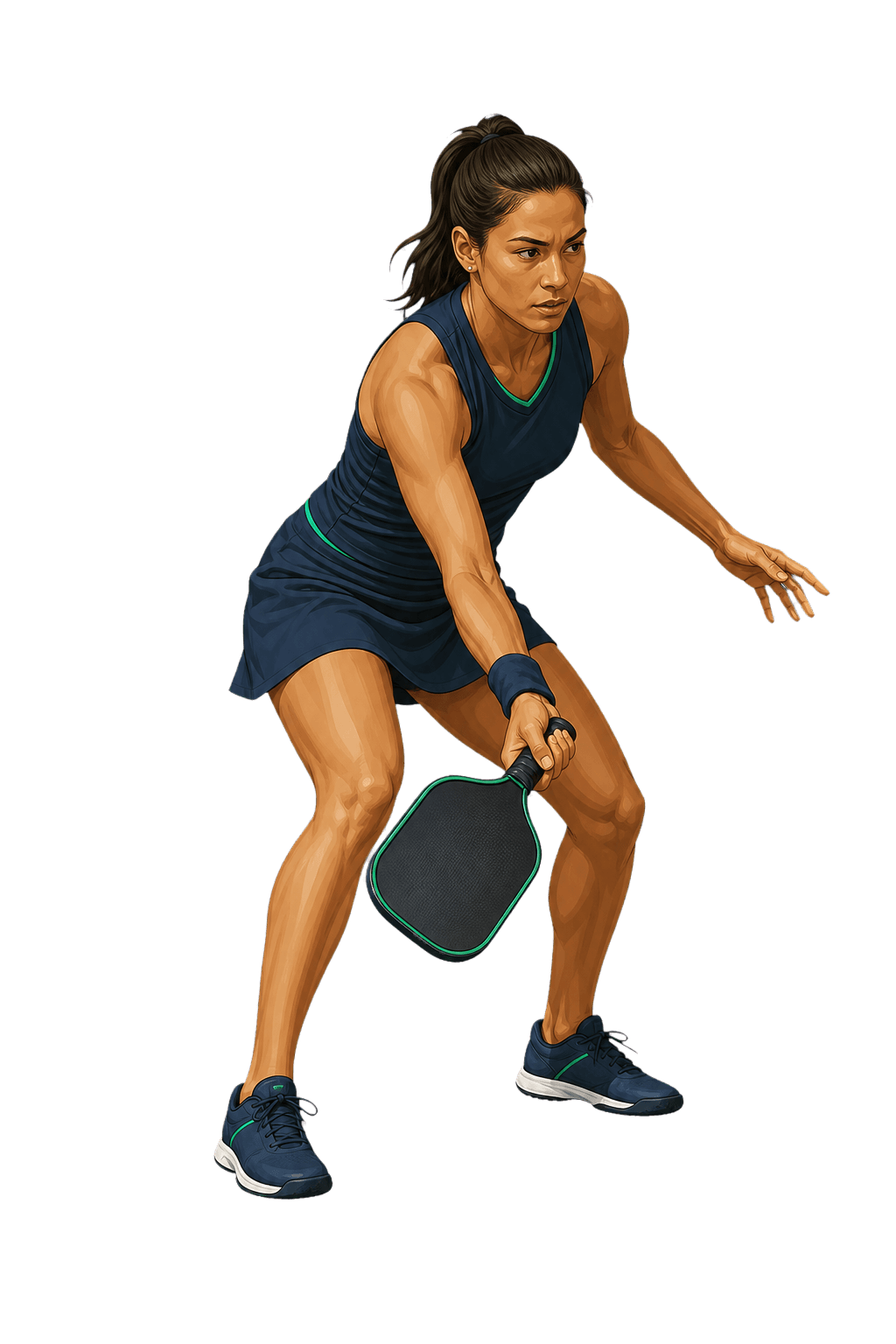
Read the motion
The short answer
To enhance your paddle technique, start by figuring out the main reason behind your mistakes.
What Usually Causes This Pattern
Most issues with your swing aren't random.
Diagnose It Before You Change It
Use this quick self-check before practicing:
Improving your paddle technique in pickleball becomes much easier when you focus on testing one change at a time instead of gathering endless tips. Here's a step-by-step guide to help pickleball players enhance their skills.
Direct Answer
To enhance your paddle technique, start by figuring out the main reason behind your mistakes. Practice making one specific change until you notice improvements in how the ball moves, how you hit it, or your timing. Avoid trying to fix multiple things at once. After practicing, do a quick test to see if the change made a difference.
Stop reading — start diagnosing
See if this is actually your swing — free.
Get your top fix, three drills, and a 7-day plan in about a minute. Free to start.
What Usually Causes This Pattern
Most issues with your swing aren't random. They often come from a consistent problem with how you set up, move, hit the ball, or what you're trying to do. In pickleball, controlling your paddle as you move towards the net, especially near the kitchen (the area close to the net), is more important than just hitting hard. Look for the first mistake you make rather than the most obvious one. Problems like hitting the ball late, moving too quickly, angling the paddle wrong, or losing balance can lead to more mistakes. Focus on fixing the most common issue first.
Diagnose It Before You Change It
Use this quick self-check before practicing:
- Write down the miss you see most often.
- Note when it appears: warmup, full speed, pressure, fatigue, or only on one shot type.
- Record a short clip from a consistent angle if possible.
- Compare the outcome before and after a small drill block.
- Keep the fix only if the retest improves the outcome you care about.
SwingVantage is built around that same loop: diagnose the pattern, pick one fix, then retest. For a guided version of this loop, start with pickleball analysis or a free swing analysis. For more on this, see How to Hit a Roll Volley in Pickleball and Analyze your pickleball stroke.
Step-By-Step Fix
1. Set Up The Rep
Keep your practice setup simple. Use a target to aim for, keep the ball in a consistent position, and start each attempt the same way. A messy setup makes it hard to tell if your practice is working.
2. Make One Key Change
Choose a small change that directly addresses the problem. If your issue is hitting the ball wrong, focus on improving your contact. If timing is the problem, slow down your movements until you can control them. If direction is off, use a target or a starting point to guide you.
3. Drill It Slowly First
Begin practicing at a slower pace. Your first goal is to feel in control, not to hit hard. Do a short set of controlled repetitions where you can repeat the movement easily, then gradually increase speed while aiming for the same result.
4. Retest At Game Speed
After practicing, test yourself at full speed. Use the same target and scoring rules as before. If your mistakes are fewer or less severe, keep working on that fix. If nothing changes, you might need to try a different approach.
Practice Plan
Use this simple three-day plan:
- Day 1: baseline 10 reps, drill 20 controlled reps, retest 10 reps.
- Day 2: repeat the same drill, then add speed only if the outcome holds.
- Day 3: alternate normal reps and drill reps so the change survives context.
Keep notes plain: what you tried, what changed, and what still leaks under speed. Those notes matter more than how the swing looked on one good rep.
Common Mistakes
- Changing grip, stance, tempo, and swing thought all at once.
- Judging the fix from feel instead of the ball, contact, or timing result.
- Practicing only slowly and never checking whether it survives full speed.
- Treating one good rep as proof instead of retesting a small sample.
- Copying a generic tip that does not match your actual miss.
When To Get Coaching Help
If practicing causes pain, makes things worse, or doesn't help after several tries, consider getting help from a qualified coach who can see your whole movement. While digital guides can help plan your practice, they can't replace medical advice or in-person coaching when needed.
Remember, what you see on a phone video is just an estimate. Single-camera videos have limitations, and confidence comes from testing a small sample, not just one good shot.
FAQ
What is the fastest way to paddle technique?
Start with the one change that most directly affects your results, then test it. The quickest way to improve isn't a complete overhaul of your swing; it's making the smallest change that clearly improves your mistakes.
How long should I practice this?
Practice the fix in a few short sessions with the same test each time. If nothing improves, reconsider what might be causing the problem before adding more practice.
Can SwingVantage help?
Yes. SwingVantage can help you organize your practice into one fix, one plan, and one test. Remember, results from single-camera footage and self-reports are just estimates unless you have precise data.
Next Step
Try using the SwingVantage workflow for this topic. Save your initial observations and test again after a focused practice session. The aim isn't to gather more advice but to make your next practice session clearer. Small tests and honest evaluations are key.