Diagnosis
If Pickleball Transition Zone Mistakes Keeps Showing Up, Read This First
Infographic
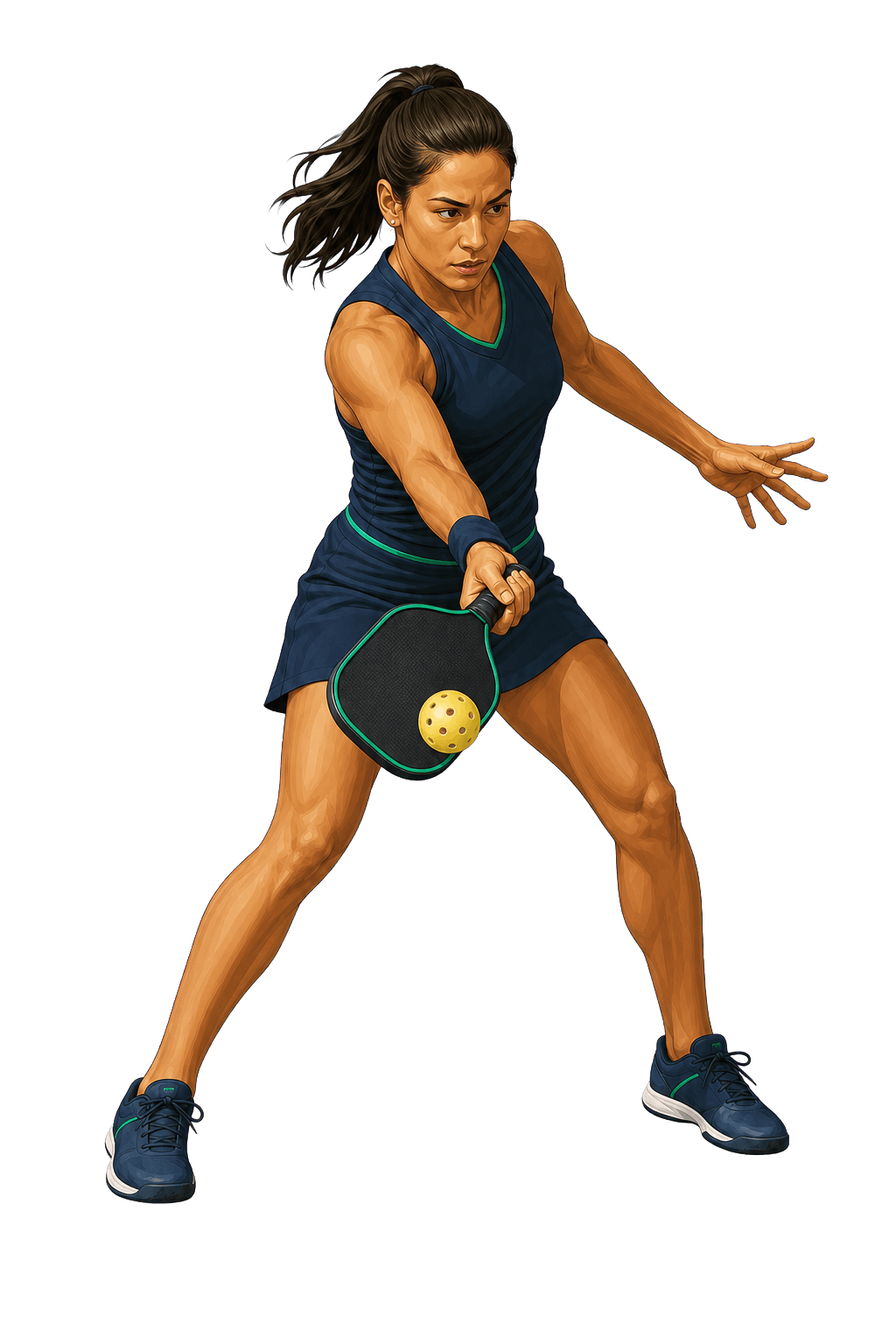
Read the motion
What to notice
If Pickleball Transition Zone Mistakes Keeps Showing Up
How it connects
Read This First. Read pickleball transition zone mistakes like a diagnosis: what the pattern may indicate
What it leads to
likely causes ranked
Many pickleball players try to fix transition zone mistakes without fully understanding them. This article takes a different approach: it starts by identifying the symptom, ranks the likely causes, and then suggests the first correction to try.
The Symptom
Stop reading — start diagnosing
See if this is actually your swing — free.
Get your top fix, three drills, and a 7-day plan in about a minute. Free to start.
Begin by noticing the specific mistake you can see. In pickleball, transition zone mistakes are the final result of a series of actions. The key skill is to separate what you actually saw from what you think caused it. Write down when these mistakes happen: is it early in your game, when playing fast, under pressure, or only with certain shots?
In pickleball, controlling your paddle through the transition zone and making disciplined resets are more effective than just hitting the ball hard, especially as you get close to the kitchen line.
What This Pattern May Indicate
A mistake that keeps happening is a clue about your movement, not a judgment on your ability. It might suggest that your setup is off, your timing is wrong, or your contact with the ball is not what you intended. The pattern helps narrow down the possible causes but doesn't give the full answer.
How often the mistake occurs is as important as what it looks like. If it happens once in a while, it might just be random. But if it shows up in a third of your attempts, it's a pattern that needs careful examination.
Likely Causes, Ranked
Ranked from most common to least common for this pattern:
1. A setup or grip condition that biases the movement before it starts. Most common because it repeats identically on every rep. 2. A timing or sequencing issue: the body runs out of room and the hands compensate late. Common at full speed, rare in slow rehearsal. 3. An intent mismatch: you are practicing one thing but competing with another, so the pattern only appears when it counts. 4. A physical constraint such as fatigue or restricted rotation. Least common as a root cause, but it amplifies all of the above.
The ranking is a starting order for testing, not a certainty. Your video evidence decides which one is actually yours.
Evidence To Inspect Before Changing Anything
Record a few swings from the same angle and watch for the first moment where your movement deviates from what you intended. Compare a successful swing with a missed one from the same session; the differences between them are more valuable than either video alone. Note the result of each swing so you can link the video to the outcome.
Remember, a phone video is just an estimate and not a precise measurement. Build confidence by repeating the same task under the same conditions.
What Not To Assume
Don't assume that the most noticeable mistake is the root cause; it might just be a reaction to something earlier in your movement. Don't think that a fix that worked for someone else will work for you. And don't believe that one good session means you've solved the problem. A pattern needs to repeat to be diagnosed, and a fix needs to hold up under retesting.
The First Correction To Test
Choose the most likely cause supported by your evidence and make a small change that directly addresses it. Practice this change in a short, focused session with controlled repetitions. The goal of the first correction isn't to fix everything; it's to test your diagnosis. If you prefer structure over guessing, follow the pickleball, get started path, which uses the same diagnose, fix, and retest method described here.
Retest Criteria
Keep the correction only if the retest meets the criteria you set beforehand: the mistake happens less often, the contact or ball flight improves in the way you wanted, and the change holds up at game speed. If the retest doesn't show improvement, go back to the list of possible causes and try the next one. This is how diagnosis should work, not a sign of failure.
When More Data Beats More Changes
If the pattern causes pain, gets worse with practice, or doesn't improve after several focused sessions, consult a qualified coach who can observe your entire movement. A digital guide can help organize practice, but it shouldn't replace medical advice, safety considerations, or in-person coaching when necessary.
FAQ
Does pickleball transition zone mistakes always have one single cause?
No. The same mistake can come from different underlying issues, which is why this article ranks possible causes instead of pointing to just one. Use video evidence to confirm causes before making changes.
How much video do I need before I can trust the read?
A few swings from the same angle are more useful than one perfect clip. Patterns repeat, but random occurrences do not. Consider a single swing as a clue, not a full diagnosis.
What if the first correction does not change anything?
That outcome is still useful information. Return to the list of possible causes and test the next one instead of piling on more changes. Testing one variable at a time keeps the process honest.
Next Step
Save your first honest assessment, practice the one change, and return to retest. The aim isn't to gather more advice but to achieve a clearer next attempt. One honest cycle of this process is more effective than collecting tips for a month.