Comparison
Best Camera Angle For Golf Swing Video: Comparing Your Real Options
Infographic
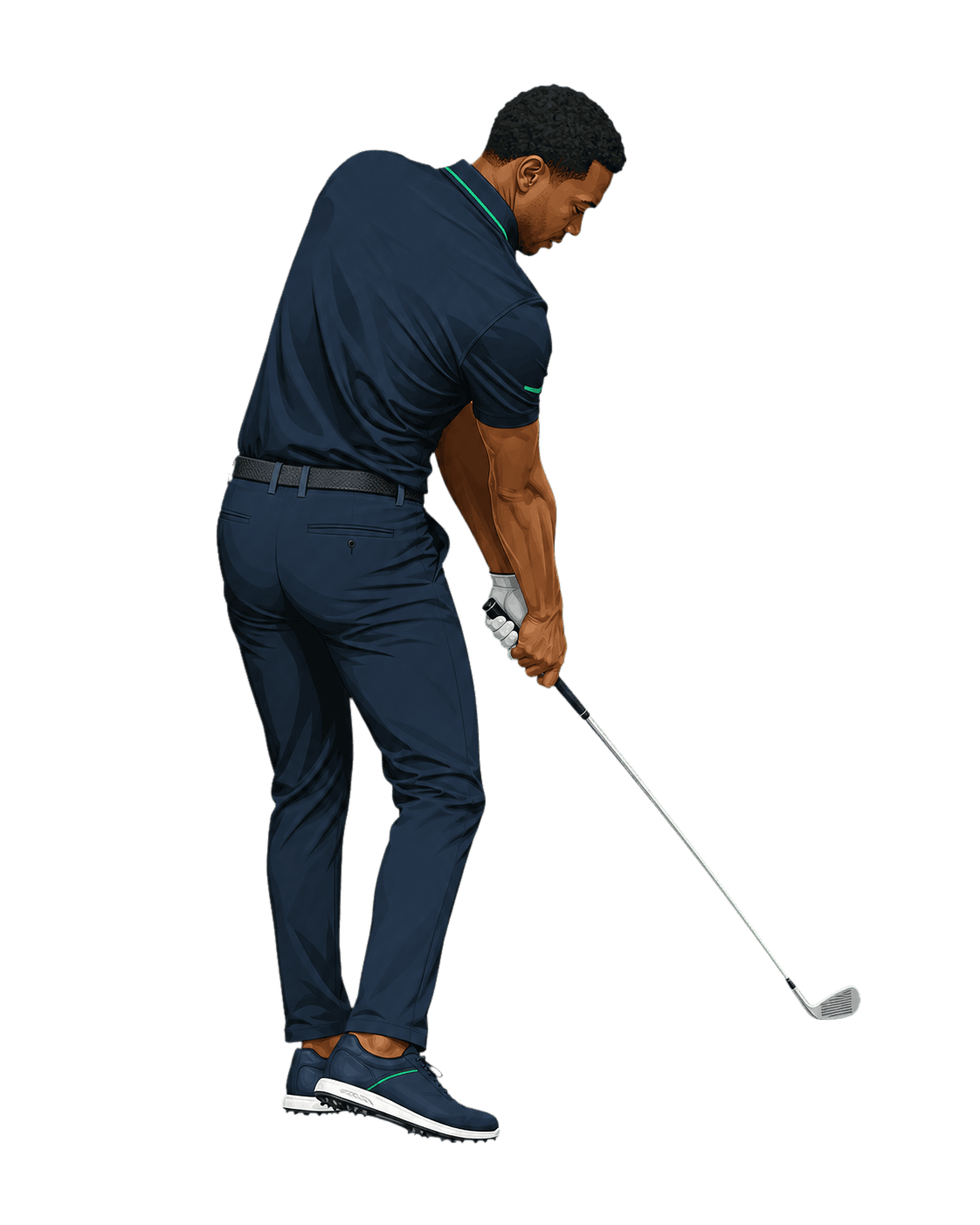
Read the motion
What to notice
Comparing Your Real Options. Video Feedback vs. Practicing By Feel compared honestly: criteria
How it connects
situations that favor each
What it leads to
and a simple decision framework.
Video Feedback or Practicing By Feel? For most golf players the honest answer is "it depends", and this article makes the "depends" concrete: the criteria that matter, where each option wins, and a simple framework for your situation.
The Decision
Stop reading — start diagnosing
See if this is actually your swing — free.
Get your top fix, three drills, and a 7-day plan in about a minute. Free to start.
Short version: if you need to understand cause, lean toward Video Feedback. If you need to verify change, lean toward Practicing By Feel. The rest of this article earns that answer by walking the criteria, the trade-offs, and the situations that flip it.
One framing note before the details: this is a decision about your next month of practice, not a lifetime allegiance. The comparison below is built so you can re-run it whenever your situation changes, because the right answer this off-season may be the wrong one mid-competition.
What Each Option Means
Video Feedback and Practicing By Feel are often talked about as rivals, but they answer different questions. Before comparing them, be precise about what each one actually gives you: what it observes, what it estimates, and what it cannot see at all. In golf, the ball flight you see is downstream of the clubface and club path at impact, so read those before judging the takeaway or chasing a new tempo.
Precision matters here because most bad choices in this space are really vocabulary mistakes: expecting a cause-finding tool to confirm progress, or a verification tool to explain a miss. Name the question you are actually asking, and half the comparison resolves itself.
The Criteria That Matter
- What question does it answer: cause, effect, or both?
- How much setup does it demand before every session?
- Can you trust it at game speed, or only in controlled conditions?
- Does it produce something you can retest against next month?
- What does it cost you in money, time, and attention?
Advantages And Limits Of Each
Video Feedback tends to win on directness: it engages the question you actually have, and its feedback loop is short. Its limit is scope, because what it does not observe, it cannot explain. Practicing By Feel tends to win on context and repeatability, at the price of more setup and more interpretation. Neither one removes the need for honest retesting; both get better when you bring a baseline.
The limits deserve as much attention as the advantages, because limits are what you live with on a Tuesday evening when practice time is short. Ask of each option: what does a bad day with it look like, and how quickly would I notice I was getting a misleading read?
Situations That Favor Each
Favor Video Feedback when the problem is fresh, the pattern is unclear, and you want the fastest honest read. Favor Practicing By Feel when you already know the pattern and need to confirm that a change survived, or when conditions make Video Feedback unreliable. If you are between seasons or short on time, favor whichever one you will actually use consistently.
A Simple Decision Framework
Answer three questions. First, do I need to find a cause or confirm a change? Second, which option fits the practice time I really have this month? Third, can I reverse this choice cheaply if the retest is flat? Pick the option that survives all three, run it for one focused block, and let the retest cast the deciding vote.
Recommendation
For most self-coached golf players the sequence beats the debate: start with the option that clarifies cause, then bring in the other to confirm the change held. SwingVantage is built around that same loop: diagnose the pattern, pick one fix, then retest. Start from the golf swing analysis, golf slice fixer, 7 day golf slice challenge, golf sample report path when you want the app to structure the read for you. Treat anything you see on phone video as an estimate rather than a measurement. Single-camera footage has real limits, and confidence comes from retesting a small sample, not from one good rep.
FAQ
Do I have to choose between Video Feedback and Practicing By Feel?
Usually not permanently. The comparison is about which one to lean on first for your situation. Many athletes use both once they know what each is actually good at.
What if my situation matches neither column?
Start with the cheaper, simpler option and retest. A decision you can reverse after one practice block is a safe decision to make quickly.
How do I know the choice worked?
The same way you verify any change: set a baseline, use the option for a focused block, and retest the outcome you care about. Keep what moves the result.
Next Step
Record one baseline swing today, make the single change this article points to, and retest with the same target so you know whether it held. Small experiments, honest verdicts: that is the whole method.