Concept
What Should You Know About Golf Grip?
Infographic
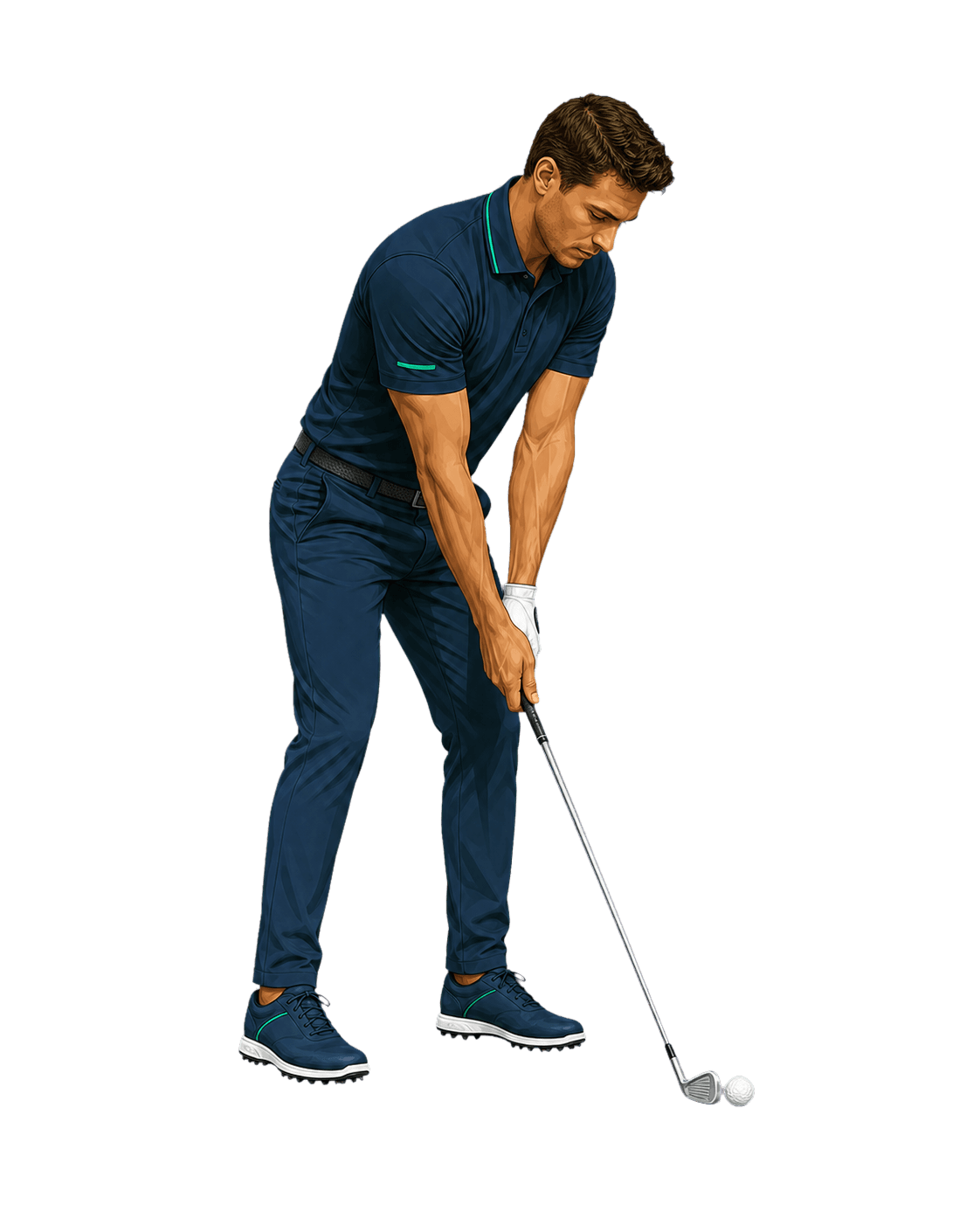
Read the motion
What to notice
why it matters
How it connects
how it is measured or estimated
What it leads to
and one way to apply it this week.
You do not need a physics degree to use golf grip well. You need a clear definition, an honest note on how it is measured, and one way to apply it this week. That is this article.
What It Means
Stop reading — start diagnosing
See if this is actually your swing — free.
Get your top fix, three drills, and a 7-day plan in about a minute. Free to start.
Plainly defined, golf grip describes a relationship in the movement: how one part of the swing conditions what the next part can do. The precise definition matters less than the mechanism it points at, because the mechanism is what shows up in your results.
A useful test of whether you actually understand a concept like this: can you say what would change in your results if it improved, and what you would see on video if it got worse? If both answers are vague, keep reading; if both are concrete, you already own the idea and just lacked the name.
Why It Matters
Concepts survive in coaching because they predict something. Understanding golf grip tells you where to look when the outcome goes wrong, and it protects you from fixing the visible symptom while the actual driver stays untouched. In golf, the ball flight you see is downstream of the clubface and club path at impact, so read those before judging the takeaway or chasing a new tempo.
How It Is Measured (Or Estimated)
Some tools measure this directly; most consumer setups estimate it from video. The distinction is worth respecting: a measurement has error bars you can trust, while an estimate is a well-informed read that improves with camera consistency and sample size. Be honest about what a phone video can confirm: it is an estimate with limits, not a lab measurement. Build confidence the boring way, with a retest of the same task under the same conditions.
Practically, that means your job is not to buy the fanciest measurement; it is to keep your estimates comparable. Same angle, same distance, same framing, a handful of reps per session. Comparable estimates trend honestly, and the trend is what your decisions actually need.
Common Misconceptions
The first misconception is treating golf grip as a score to maximize rather than a relationship to understand; more is not automatically better. The second is assuming one good number means the pattern is fixed. The third is comparing your value against someone else's; the useful comparison is you against your own baseline.
A fourth, subtler one: assuming the concept must be trained directly. Many relationships in the swing improve as a side effect of fixing something earlier in the chain, which is why a diagnosis-first approach often moves a number that direct effort could not.
How It Shows Up In Practice
Watch for it in the ordinary things: where contact happens, how the flight or result curves, when timing feels rushed. You rarely observe golf grip directly; you observe its consequences, which is exactly why video plus a simple note-taking habit beats intuition alone.
Related Concepts
No concept lives alone. This one connects to the setup conditions that come before it and the contact conditions that come after. When you read your own swing, trace the chain rather than a single link: cause, mechanism, outcome. That chain is what makes a diagnosis explainable instead of a guess.
If you only have patience for one neighboring idea, learn the one immediately upstream: the condition that feeds this one. Upstream knowledge compounds, because fixing a cause quietly repairs every symptom that depended on it.
How To Apply It
Pick one decision this concept can inform, record a short baseline, make the one change it suggests, and retest. Keep the change only if the outcome you care about moved. When you want structure instead of guesswork, the golf swing analysis, golf slice fixer, 7 day golf slice challenge, golf sample report path walks the same diagnose, one-fix, retest loop this article describes.
FAQ
Do I need special equipment to use golf grip?
Usually not to get started. A phone camera and a consistent angle give you an estimate worth acting on; specialized tools tighten the numbers when a specific decision needs them.
Can golf grip be measured exactly?
It depends on the tool. Direct sensors measure; video pipelines estimate. Both are useful when you treat estimates as estimates and verify changes with a retest.
What should I do with this concept in my next practice?
Pick one observable it explains, record a small baseline, and watch how it responds to a single change. Concepts earn their keep when they alter what you practice next.
Next Step
Save the first honest read, practice the one change, and come back to the retest. The goal is not more advice. It is a clearer next rep. One loop, run honestly, beats a month of collected tips.