Explainer
Our Take: Golf Swing Plane
Infographic
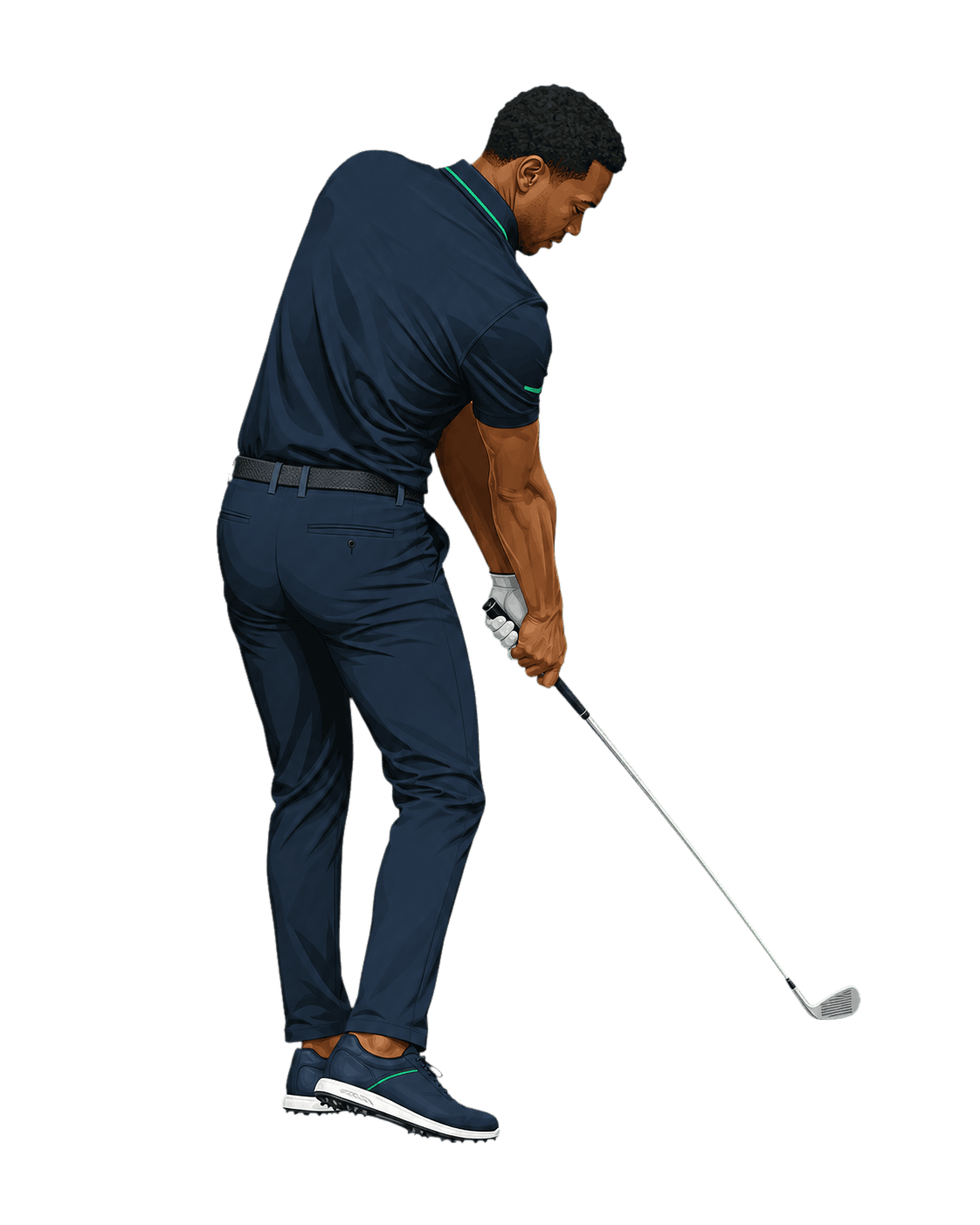
Read the plane
What to notice
Golf Swing Plane. Golf Swing Plane reasoned
How it connects
no citations needed: what the principle predicts
What it leads to
where it stops
Golf Swing Plane isn't just a passing trend. It's a solid concept based on the mechanics of how your body and golf club move. This guide explains what the principle is, what it can tell you, and where its limits lie.
The Principle
Stop reading — start diagnosing
See if this is actually your swing — free.
Get your top fix, three drills, and a 7-day plan in about a minute. Free to start.
In simple terms, the golf swing plane is about how your body and golf club move together to hit the ball. It’s not just something an expert made up; it's based on real movement. The result you see when you hit the ball comes from a few key factors at the moment of impact, and the swing plane highlights which factors are most important.
There are two things to keep in mind. First, "well-established" means you can see and understand it yourself with a camera and some patience. Second, the principle explains what happens, not how it feels. Sometimes, what you feel and what actually happens can be different, and it's the actual mechanics that count.
Why This Is Well-Established
You can understand this concept by looking at basic ideas. The golf club moves along a path, the clubface points in a certain direction, and the ball reacts to both. You don't need a lab to see this; just some geometry and a slow-motion video. In golf, the way the ball flies depends on how the clubface and club path interact at impact. That's why this article doesn’t rely on studies; it's all about basic principles.
This is a strict standard. Many claims about golf techniques might be true but can't be proven in this way, so they aren't included here. If a claim needs a source we can't verify, we leave it out. You should never have to guess which parts are important.
What It Predicts About Your Swing
A principle is useful if it can make predictions. This one can tell you where your shots might go wrong if something changes, what adjustments might help, and what you might see when comparing a good swing to a bad one in the same practice session. You can test these predictions soon.
These predictions help you practice smarter. They show which drills might fix your problem. If a drill doesn't address the key factors, it's just extra work. This guidance makes the time spent reading this article worthwhile.
The Limits Of The Principle
Every principle has its limits. This one tells you what needs to happen at the moment of impact but doesn't explain how you got there or the quickest way to change your swing. It simplifies reality; there are other effects and personal differences. Use the principle to narrow down your focus, not to solve everything. Treat what you see in video as an estimate, not a precise measurement. A single-camera view has its limits, and confidence comes from testing more than one swing.
Understanding these limits helps you use the principle wisely. If your video doesn't match what the principle predicts, check your camera setup and sample size first. Be open to the idea that your situation might not fit perfectly within the principle's scope.
Seeing It In Your Own Video
Record a few swings from the same angle. Compare your best shot with your most common miss, focusing on the key factors the principle highlights. If the differences show up as predicted, you have something to work on: make one change, practice it, and test again. SwingVantage uses this approach: identify the pattern, make a change, and retest. Start with the golf swing analysis, golf slice fixer, 7 day golf slice challenge, golf sample report to get structured help.
FAQ
Is this based on a specific study?
No, and that's on purpose. This article relies on mechanics and geometry that you can verify with your own video. Anything needing a citation we can't check ourselves is left out.
Does the principle apply to every athlete?
The principle is reliable, but its impact can vary. Differences in body type, equipment, and skill level affect how much you see the effect, which is why the article discusses its limits.
How do I see it in my own swing?
Record a few swings from the same angle. Compare a good shot to a miss. The principle predicts where the differences should appear, and your video will show if they do.
Next Step
Record a baseline swing today, make the one change suggested in this article, and retest with the same target to see if it worked. Small experiments and honest results are the key to improvement.