Diagnosis
If Over The Top Golf Swing Fix Keeps Showing Up, Read This First
Infographic
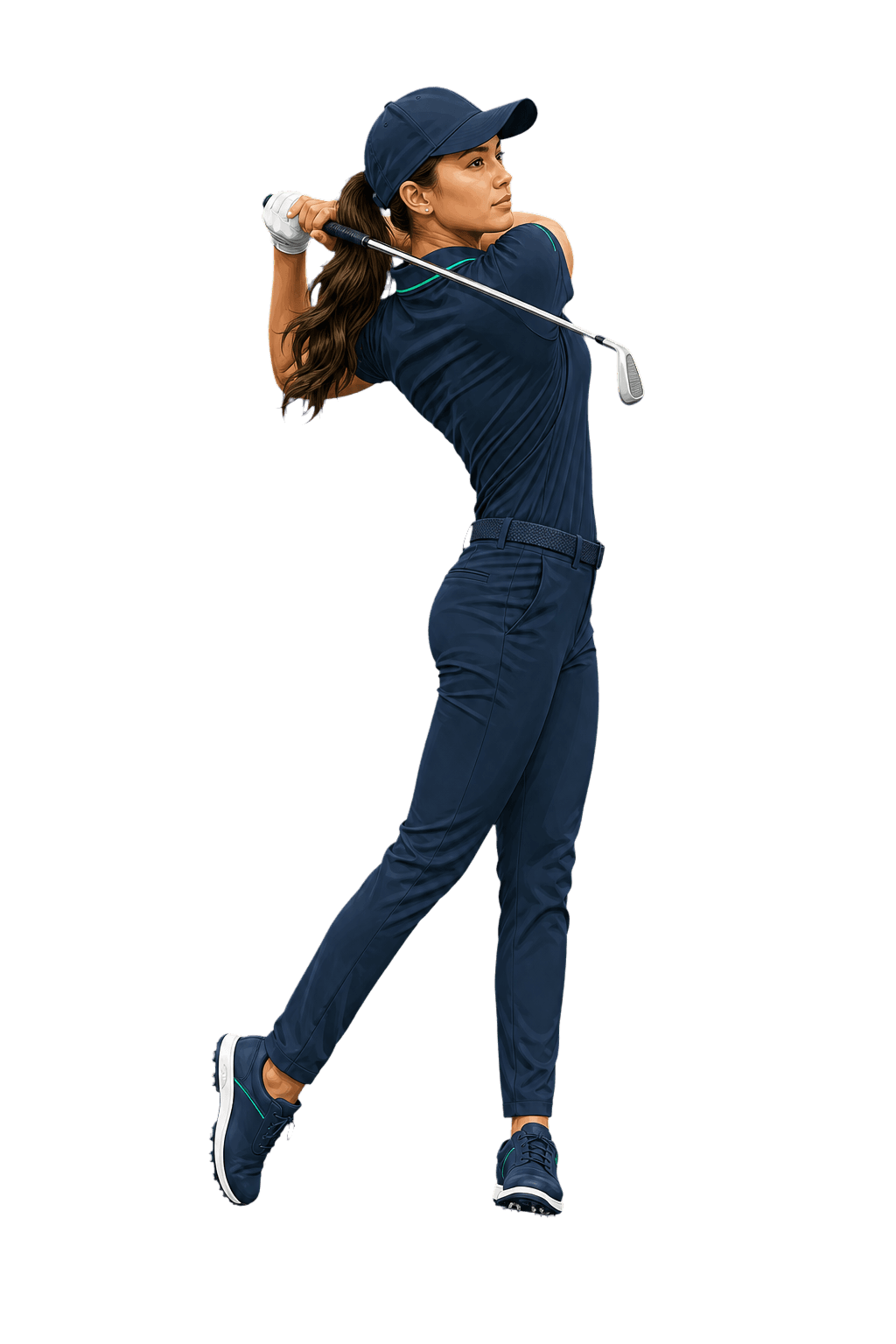
Read the motion
What to notice
If Over The Top Golf Swing Fix Keeps Showing Up
How it connects
Read This First. Read over the top golf swing fix like a diagnosis: what the pattern may indicate
What it leads to
likely causes ranked
Over The Top Golf Swing Fix is a diagnosis problem before it is a fix problem. Before you change anything, read what the pattern is actually telling you, because the wrong read wastes weeks of golf practice on the wrong fix.
The Symptom
Stop reading — start diagnosing
See if this is actually your swing — free.
Get your top fix, three drills, and a 7-day plan in about a minute. Free to start.
Start with the miss you can actually observe. With over the top golf swing fix, the visible result is only the end of a chain, and the useful skill is separating what you saw from what you assume caused it. Write down when it shows up: early in a session, at full speed, under pressure, or only on one shot type.
In golf, the ball flight you see is downstream of the clubface and club path at impact, so read those before judging the takeaway or chasing a new tempo.
What This Pattern May Indicate
A repeating miss is a message about the movement, not a verdict on the athlete. It may indicate a setup that starts the chain in the wrong place, a sequence that runs out of time, or a contact condition that sends the ball somewhere you did not intend. The pattern narrows the search; it does not finish it.
The frequency matters as much as the shape. A miss that appears once a session is noise. A miss that appears on a third of your reps is a pattern worth diagnosing properly.
Likely Causes, Ranked
Ranked from most common to least common for this pattern:
1. A setup or grip condition that biases the movement before it starts. Most common because it repeats identically on every rep. 2. A timing or sequencing issue: the body runs out of room and the hands compensate late. Common at full speed, rare in slow rehearsal. 3. An intent mismatch: you are practicing one thing but competing with another, so the pattern only appears when it counts. 4. A physical constraint such as fatigue or restricted rotation. Least common as a root cause, but it amplifies all of the above.
The ranking is a starting order for testing, not a certainty. Your video evidence decides which one is actually yours.
Evidence To Inspect Before Changing Anything
Record a few swings from one consistent angle and look for the first frame where the movement leaves your intended shape. Compare a good rep against a miss from the same session; the difference between them is worth more than either clip alone. Note the ball or contact result on each rep so the video and the outcome stay connected.
Treat anything you see on phone video as an estimate rather than a measurement. Single-camera footage has real limits, and confidence comes from retesting a small sample, not from one good rep.
What Not To Assume
Do not assume the most dramatic-looking position is the cause; it is often a compensation for something earlier. Do not assume a fix that helped someone else maps to your pattern. And do not assume one clean session means the diagnosis is finished. A pattern earns its diagnosis by repeating, and a fix earns its keep by surviving a retest.
The First Correction To Test
Pick the highest-ranked cause your evidence supports and make the smallest change that attacks it directly. Give it one short, focused block of controlled reps. The point of the first correction is not to solve everything; it is to test the diagnosis. SwingVantage is built around that same loop: diagnose the pattern, pick one fix, then retest. Start from the golf swing analysis, golf slice fixer, 7 day golf slice challenge, golf sample report path when you want the app to structure the read for you.
Retest Criteria
Keep the correction only if the retest clears a bar you set in advance: the miss appears less often, the contact or flight improves on the measure you care about, and the change survives game speed. If the retest is flat, return to the ranked causes and test the next one. That is diagnosis working as intended, not failure.
When More Data Beats More Changes
If the pattern creates pain, gets worse with practice, or does not respond after a few focused sessions, work with a qualified coach who can see the full movement. A digital guide can help you structure practice, but it should not replace medical advice, safety judgment, or in-person coaching when those are needed.
FAQ
Does over the top golf swing fix always have one single cause?
No. The same visible miss can come from different underlying patterns, which is why the article ranks likely causes instead of naming one. Rule causes in or out with video evidence before changing anything.
How much video do I need before I can trust the read?
A handful of swings from a consistent angle beats one perfect clip. Patterns repeat; flukes do not. Treat a single rep as a hint, not a diagnosis.
What if the first correction does not change anything?
That result is information. Go back to the ranked causes and test the next one rather than stacking more changes on top. One variable at a time keeps the retest honest.
Next Step
Save the first honest read, practice the one change, and come back to the retest. The goal is not more advice. It is a clearer next rep. One loop, run honestly, beats a month of collected tips.