Technique
The Pickleball Dink: How to Win the Kitchen Battle
Infographic
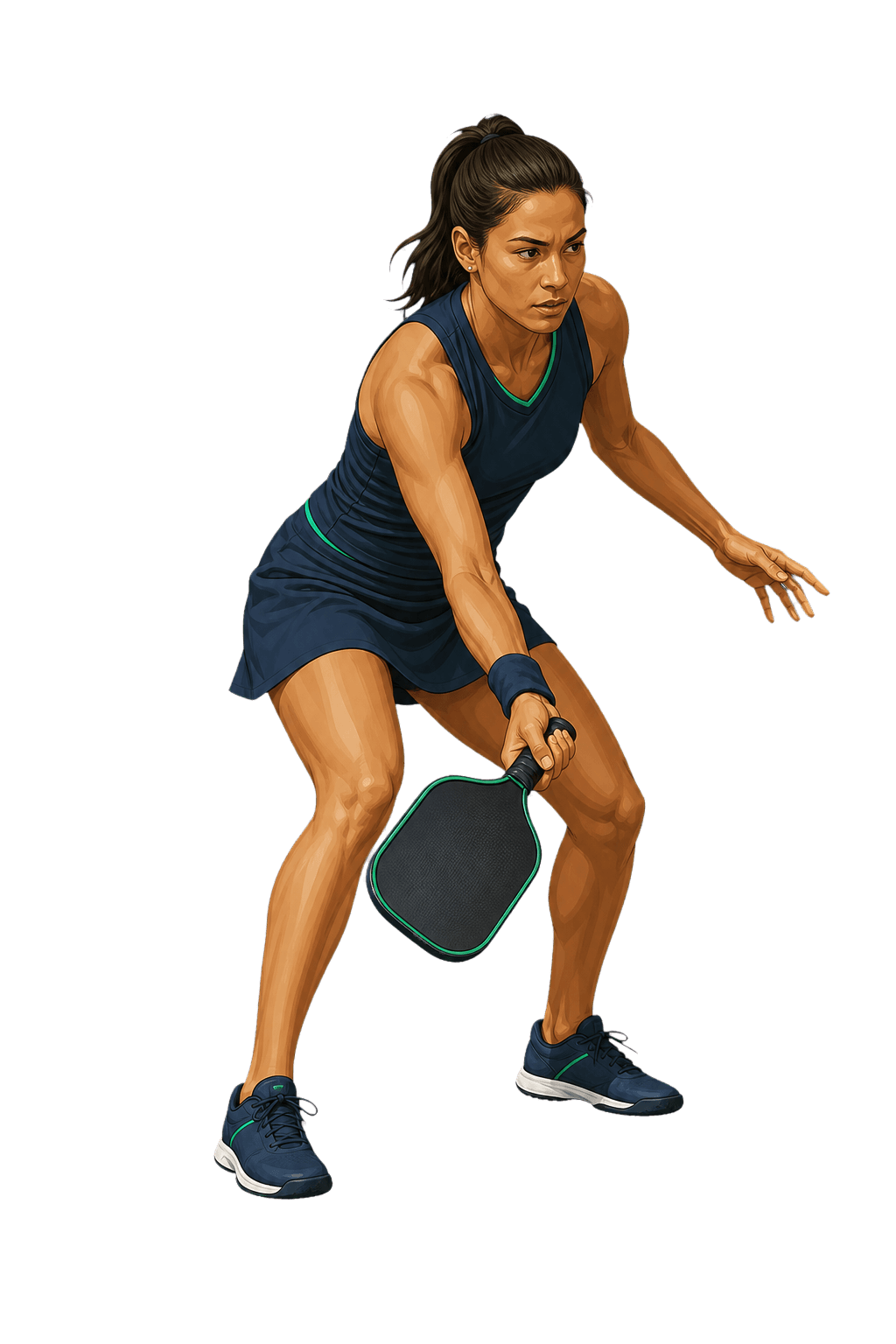
Read the motion
What to notice
How to Win the Kitchen Battle. The dink decides most points once both teams reach the kitchen line. Learn the mechanics
How it connects
the three ways dinks break down
What it leads to
and how to practice it.
Why the Dink Controls the Point
Once both teams reach the kitchen line, the third-shot drop's job is done and a new battle starts: the dink. A dink is a soft, low shot hit just over the net into the opponent's non-volley zone, meant to stay below their paddle at contact so they can't attack it. Whoever forces the first attackable ball usually wins the point.
Stop reading — start diagnosing
See if this is actually your swing — free.
Get your top fix, three drills, and a 7-day plan in about a minute. Free to start.
A dink is not "the soft shot you hit because you can't hit hard." Hitting hard from the kitchen line just feeds your opponent pace to redirect back at you. The discipline to stay soft is the skill.
The Mechanics
1. Paddle out in front, not at your hip. Meet the ball ahead of your body where you can see the whole exchange, not reaching across yourself.
2. Soft grip, quiet wrist. A death grip and an active wrist are the two most common causes of a dink that pops up. The shot comes from a gentle push through the ball, not a flick.
3. Contact below net height, aim just over the tape. The lower you can safely contact the ball, the lower and harder to attack your dink lands.
4. Short, low follow-through. Stop the paddle low and out toward the target — a big finish means you added pace you didn't need.
The Three Reasons Dinks Break Down
Popping it up. Usually a tense grip, an active wrist, or contact too high above the net. Fix: soften the grip and let the paddle face do the work, not your arm.
Netting it. You decelerated into the ball or aimed too fine over the tape. Fix: commit to a smooth push with a stable paddle angle, and give yourself a little more net clearance.
Rushing the exchange. Trying to end the rally with pace before a ball actually sits up. Fix: stay patient and wait for a dink that floats or sits high enough to attack safely.
A Practice Progression
1. Cross-court dinking rally with a partner — 2 minutes of continuous dinks, focused on control, not winners. 2. Straight-ahead dinks to a target — 3 sets of 15, tracking how many stay below net height on the far side. 3. Dink-then-attack recognition drill — rally dinks until one floats up, then practice recognizing and attacking only the ball that actually sits up.
Film yourself from the side. SwingVantage's pickleball analysis reads your paddle angle, contact height, and follow-through, then gives you the one thing to fix first.
Points at the kitchen line are won by whoever breaks patience last. Master the dink, and that's usually you.